
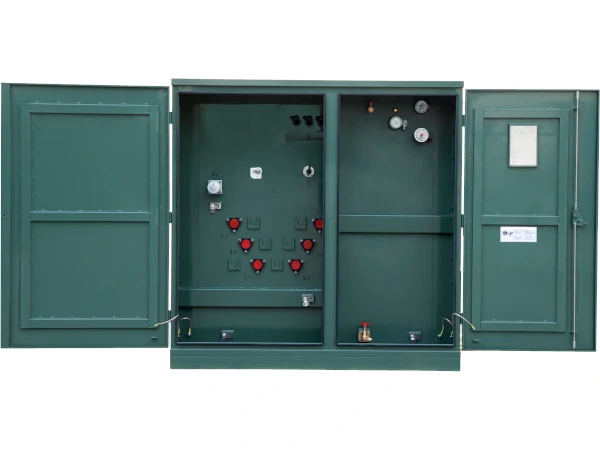

Electrical power systems require reliable grounding arrangements to manage abnormal electrical conditions and protect connected equipment. In three-phase networks, maintaining a suitable path for ground fault current is essential for supporting safe and stable operation. A grounding transformer helps establish a neutral point in systems that may not otherwise have one, allowing appropriate grounding methods to be implemented. By supporting ground fault detection and current management, this equipment plays an important role in electrical distribution networks, industrial facilities and utility installations.
What Is a Grounding Transformer?
A grounding transformer is a specialised electrical transformer used to provide a neutral connection in a power system that does not have an accessible neutral point. It is commonly installed in three-phase electrical networks, particularly those operating with delta-connected windings.
In many electrical systems, grounding provides a reference point between the power network and earth. However, certain configurations do not naturally provide a neutral connection for grounding purposes. A grounding transformer addresses this requirement by creating an artificial neutral point.
This neutral point can be connected to ground directly or through an impedance device, depending on the system design. The arrangement helps establish a controlled path for ground fault current and supports the operation of protective equipment.
How Does a Grounding Transformer Work?
A grounding transformer operates by creating a neutral point within a three-phase electrical system. Its winding arrangement allows the transformer to respond to ground faults and provide a suitable path for zero-sequence current.
Under normal operating conditions, the three-phase voltages remain balanced, and the transformer generally carries very little current apart from normal system-related losses.
When a phase-to-ground fault occurs, the grounding transformer provides a path for the resulting zero-sequence current. This allows protective relays and other fault detection devices to identify abnormal conditions and initiate appropriate protective actions.
The specific current level depends on the grounding arrangement, transformer impedance and connected system characteristics.
Role of Neutral Point Creation
A neutral point is important because it provides a defined electrical reference for grounding. Without an appropriate neutral connection, a three-phase system may experience uncontrolled voltage behaviour during certain ground fault conditions.
A grounding transformer creates this connection, helping the electrical system maintain a more predictable response to ground faults.
Ground Fault Current Management
When an electrical conductor comes into contact with grounded equipment, an enclosure or another earthed surface, a ground fault can occur.
The grounding transformer helps establish the path required for fault current to flow. Depending on the grounding method, this current may be limited to a predetermined level or allowed to flow at a higher magnitude.
Protective relays monitor the resulting electrical conditions and help isolate the affected circuit when necessary.
Types of Grounding Transformers
Different winding configurations are used depending on the electrical network, grounding requirements and system design.
1. Zig-Zag Grounding Transformer
A zig-zag grounding transformer is specifically designed to establish a neutral point in three-phase electrical systems.
Its winding arrangement creates a path for zero-sequence current while presenting a suitable impedance to normal balanced three-phase currents.
Key characteristics include:
- Provides an artificial neutral connection.
- Supports ground fault current circulation.
- Commonly used in delta-connected systems.
- Can be designed for direct or impedance grounding.
- Helps support ground fault protection arrangements.
Zig-zag configurations are frequently considered when a dedicated neutral point is required without the need for a conventional secondary power supply.
2. Wye-Delta Grounding Transformer
A wye-delta grounding transformer uses a grounded wye-connected winding and a delta-connected winding.
The grounded wye side provides the neutral connection, while the delta winding provides a path for circulating zero-sequence currents within the transformer.
This configuration can be suitable for specific grounding applications where the electrical system requires a neutral point and the design accommodates this winding arrangement.
The selection between zig-zag and wye-delta configurations depends on voltage requirements, system conditions, fault current levels and engineering considerations.
How a Grounding Transformer Supports Electrical System Safety
Grounding transformers contribute to electrical safety in several ways. Their main purpose is not to eliminate every electrical fault but to help the system respond appropriately when abnormal grounding conditions occur.
1. Supports Ground Fault Detection
Ground faults can remain difficult to identify in certain ungrounded or inadequately grounded systems.
By establishing a neutral grounding point, a grounding transformer helps create conditions that allow ground fault current to be detected by suitable protection devices.
This enables protective relays to recognise abnormal electrical conditions and initiate the required response.
2. Helps Control Temporary Overvoltages
In systems without an effective grounding reference, an earth fault can cause the voltage of the healthy phases relative to ground to increase.
A properly designed grounding arrangement helps control this voltage behaviour by providing a defined system reference.
The actual level of overvoltage depends on the network configuration, grounding impedance and fault conditions.
3. Supports Protective Relay Operation
Electrical protection systems rely on measurable fault conditions to identify problems and isolate affected sections.
A grounding transformer provides a suitable zero-sequence current path, helping ground fault protection devices detect certain types of faults.
This supports the coordination of protective relays, circuit breakers and other electrical protection equipment.
4. Helps Protect Electrical Equipment
Uncontrolled ground faults can expose electrical equipment to abnormal voltage and current conditions.
Transformers, switchboards, cables, motors and other connected equipment may be affected if faults are not detected and cleared appropriately.
A suitable grounding arrangement helps reduce the risk of prolonged abnormal conditions by supporting effective fault detection and protection.
5. Improves Grounding Arrangements in Industrial Networks
Industrial facilities often use complex three-phase electrical distribution systems to supply machinery, production equipment and supporting infrastructure.
Some of these systems require an artificial neutral point to implement the intended grounding method.
A grounding transformer helps provide this connection, allowing engineers to design grounding arrangements according to the facility’s electrical requirements.
Factors to Consider When Selecting a Grounding Transformer
Choosing an appropriate grounding transformer requires careful evaluation of the electrical network. Incorrect selection can affect fault protection, voltage stability and equipment performance.
Important considerations include:
| Selection factor | Why it matters |
| System voltage | Determines the required transformer voltage rating |
| KVA rating | Establishes the transformer capacity for its specified duty |
| Winding configuration | Determines how the neutral point and zero-sequence path are established |
| Ground fault current | Influences transformer and grounding equipment design |
| Fault duration | Determines the required short-time thermal capability |
| Grounding method | Determines whether direct or impedance grounding is required |
| Cooling method | Helps manage heat generated during operation |
Understanding Transformer Capacity
The KVA rating of a grounding transformer should be selected according to the expected grounding duty rather than treating it like a conventional power distribution transformer.
Engineers must consider the maximum ground fault current and the duration for which the transformer may need to carry that current.
These factors help determine the appropriate thermal and electrical ratings.
Selecting the Grounding Method
Grounding transformers can be used with different grounding arrangements.
- Solid grounding: Connects the neutral point directly to earth.
- Resistance grounding: Uses a neutral grounding resistor to limit ground fault current.
- Reactance grounding: Uses a reactor to control the magnitude of fault current.
Each method has different operational characteristics and protection requirements. The appropriate option depends on the electrical system and applicable engineering standards.
Installation and Maintenance Considerations
Proper installation is essential for ensuring that a grounding transformer performs its intended function.
Before installation, engineers should verify the system voltage, winding configuration, grounding requirements and protection settings. The transformer must also be connected according to its approved electrical drawings and manufacturer specifications.
Regular maintenance should include:
- Inspecting electrical connections for looseness or corrosion.
- Checking insulation condition and signs of deterioration.
- Monitoring temperature and cooling system performance.
- Examining grounding connections and associated conductors.
- Inspecting protective devices and relay settings.
- Reviewing any unusual operating conditions or fault records.
Periodic testing and inspection help identify potential problems before they affect the wider electrical distribution system.
Conclusion
Grounding transformers play an important role in establishing neutral connections and supporting effective ground fault protection in three-phase electrical networks. By providing a suitable path for zero-sequence current, they help protective devices identify abnormal conditions and support controlled system operation. Selecting the correct winding configuration, KVA rating and grounding method is essential for achieving the intended electrical performance and safety requirements.