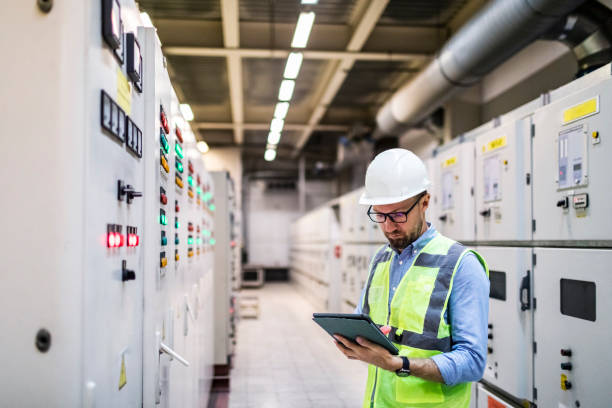

Electrical systems play an essential role in keeping commercial properties safe, functional and productive. Offices, retail stores, warehouses, factories and other business facilities depend on electricity for lighting, equipment, heating, cooling, security systems and everyday operations. Regular commercial electrical service helps ensure these systems operate efficiently while reducing the risk of unexpected electrical problems. From inspecting wiring and testing circuit breakers to maintaining electrical panels and identifying potential hazards, routine electrical maintenance supports the long-term performance of business properties. Understanding its importance can help property owners and facility managers maintain safer workplaces and avoid unnecessary operational disruptions.
1. Improving Electrical Safety in Commercial Buildings
Electrical safety is a major responsibility for every business property. Faulty wiring, overloaded circuits, damaged outlets and deteriorating electrical components can create serious hazards. These problems may increase the risk of electric shocks, equipment damage and electrical fires.
Identifying Potential Electrical Hazards
Regular inspections help identify electrical problems before they become more serious. Common warning signs include:
- Frequent circuit breaker tripping.
- Burning smells near electrical outlets or panels.
- Flickering or inconsistent lighting.
- Warm or discoloured power outlets.
- Exposed or damaged electrical wiring.
- Unusual buzzing sounds from electrical equipment.
These warning signs should not be ignored. A qualified electrician can inspect the affected systems, identify the underlying cause and recommend appropriate repairs.
Supporting a Safer Workplace
Maintaining electrical installations helps reduce avoidable risks for employees, customers, visitors and contractors. Regular checks also help ensure that electrical equipment and distribution systems remain suitable for the property’s operational requirements.
See also: How AI Technology Is Improving Search Engines
2. Preventing Unexpected Electrical Failures
Unexpected electrical failures can interrupt business activities and affect productivity. A sudden power issue may stop machinery, interrupt computer systems, disable lighting or affect essential building equipment.
Understanding Common Causes of Electrical Failures
Electrical systems experience wear over time, particularly in commercial environments where equipment operates for extended periods. Some common causes include:
- Ageing electrical wiring.
- Overloaded circuits.
- Loose electrical connections.
- Damaged switches and outlets.
- Faulty circuit breakers.
- Poor electrical installation practices.
Without regular maintenance, these problems may remain unnoticed until a system stops functioning.
Reducing Operational Disruptions
Routine inspections and preventive maintenance help identify components that require attention. Addressing minor electrical issues early can reduce the likelihood of sudden failures and help businesses maintain more consistent operations.
3. Maintaining Electrical System Efficiency
An efficient electrical system helps commercial properties use electricity more effectively. Poor connections, damaged components and outdated installations can affect system performance and contribute to unnecessary energy consumption.
Identifying Inefficient Electrical Components
During an inspection, an electrician may assess wiring connections, distribution boards, lighting systems and electrical equipment. These checks can reveal components that are not operating as intended.
For example, outdated lighting systems may consume more electricity than modern alternatives. Similarly, faulty connections can create heat and affect the performance of electrical installations.
Supporting Better Energy Management
Maintaining electrical systems helps businesses understand where improvements may be needed. Upgrading inefficient lighting, replacing damaged components and ensuring circuits are properly configured can support more effective energy use.
However, energy efficiency improvements should always be based on the property’s actual electrical requirements and professional assessment.
4. Protecting Expensive Electrical Equipment
Commercial properties often depend on valuable electrical and electronic equipment. Computers, servers, refrigeration units, manufacturing machinery, communication systems and security equipment all require reliable electrical connections.
Reducing Equipment-Related Risks
Electrical faults such as voltage fluctuations, loose connections and overloaded circuits can affect connected equipment. In some situations, these problems may result in malfunction, unexpected shutdowns or permanent damage.
Regular maintenance helps identify potential issues within electrical distribution systems before they affect important equipment.
Maintaining Reliable Power Distribution
Electrical panels, circuit breakers and distribution boards help control how electricity reaches different areas of a building. Their condition is important for maintaining a stable electrical supply.
Professional inspections can help identify damaged components, incorrect circuit loading and other problems that may affect power distribution.
5. Supporting Business Compliance and Electrical Standards
Commercial buildings must follow applicable electrical safety requirements and building regulations. These requirements help ensure that electrical installations are designed, installed and maintained to appropriate safety standards.
Understanding Electrical Inspection Requirements
Depending on the property, industry and type of electrical installation, businesses may need periodic inspections, testing and maintenance records.
These activities can help identify:
- Unsafe electrical installations.
- Damaged cables and connections.
- Incorrect circuit protection.
- Inadequate earthing and bonding.
- Defective electrical equipment.
- Areas requiring corrective maintenance.
Maintaining Proper Documentation
Keeping records of electrical inspections, repairs, testing and upgrades can help property managers monitor the condition of their electrical systems.
Organised maintenance documentation also makes it easier to plan future work and demonstrate that appropriate safety procedures are being followed.
6. Supporting the Requirements of Different Commercial Properties
Not every commercial building has the same electrical requirements. A small office may mainly depend on lighting, computers and communication equipment, while a warehouse or manufacturing facility may require electricity for heavy machinery and specialised systems.
Electrical Requirements in Office Buildings
Offices commonly use computers, printers, networking equipment, lighting and air conditioning systems. Electrical maintenance helps ensure these systems receive a reliable power supply.
Electrical Requirements in Retail Properties
Retail stores depend on lighting, payment terminals, refrigeration equipment, display systems and security installations. Electrical problems can affect customer experiences and daily sales activities.
Electrical Requirements in Industrial Facilities
Factories and industrial buildings may operate machinery, motors, control panels and specialised production equipment. These environments often require more detailed electrical inspections because of their higher power demands and operational complexity.
Understanding the specific requirements of each property helps determine the appropriate maintenance approach.
7. Extending the Lifespan of Electrical Installations
Electrical components are designed to operate within specific conditions. However, continuous use, environmental exposure, heat and electrical overload can gradually affect their condition.
Maintaining Important Electrical Components
Regular maintenance may involve checking:
- Circuit breakers and protective devices.
- Electrical distribution panels.
- Switches and power outlets.
- Wiring and cable connections.
- Lighting fixtures and controls.
- Earthing and bonding systems.
Identifying worn or damaged components helps property owners arrange suitable repairs or replacements before further deterioration occurs.
Reducing Premature Replacement
Replacing electrical equipment unnecessarily can increase maintenance requirements and disrupt business activities. Appropriate servicing helps identify which components need attention and which can continue operating safely.
8. Improving Emergency Preparedness
Electrical emergencies can occur even in properties that receive regular maintenance. However, understanding the electrical system’s condition can help businesses prepare for unexpected situations.
Recognising Electrical Emergency Warning Signs
Some electrical problems require immediate attention, including smoke from electrical equipment, burning smells, visible sparks and repeated electrical failures.
Employees should know how to report these issues and follow established emergency procedures. They should never attempt to repair electrical installations themselves.
Planning for Power Interruptions
Businesses that depend on continuous electricity may need backup power arrangements. Depending on operational requirements, these may include generators, uninterruptible power supplies or other suitable backup systems.
Regular inspection and testing of backup equipment help ensure it is ready when required.
9. Establishing a Preventive Electrical Maintenance Schedule
A structured maintenance schedule helps businesses monitor electrical installations and identify potential problems. Instead of waiting for equipment to fail, property managers can arrange inspections based on usage, equipment condition and operational requirements.
Important Maintenance Activities
A preventive maintenance programme may include:
- Inspecting electrical panels and distribution boards.
- Checking wiring and electrical connections.
- Testing circuit breakers and protective devices.
- Examining switches, outlets and lighting systems.
- Assessing electrical equipment for visible damage.
- Reviewing circuit loads and power requirements.
- Maintaining records of inspections and repairs.
Working with Qualified Electrical Professionals
Commercial electrical work should be handled by appropriately qualified and authorised professionals. They can assess the installation, carry out necessary testing and recommend repairs or upgrades based on applicable regulations.
The frequency of maintenance will depend on the property’s size, electrical demands, equipment type and operating environment.
Conclusion
Regular electrical maintenance is an important part of managing safe and reliable business properties. It helps identify potential hazards, prevent unexpected failures, protect valuable equipment and maintain the efficiency of electrical installations. It also supports compliance with applicable safety requirements and helps extend the useful life of electrical components.
By arranging routine inspections, addressing warning signs promptly and following a preventive maintenance schedule, businesses can reduce electrical risks and maintain smoother daily operations. Investing in regular commercial electrical service is a practical approach to protecting employees, equipment and the long-term functionality of commercial buildings.