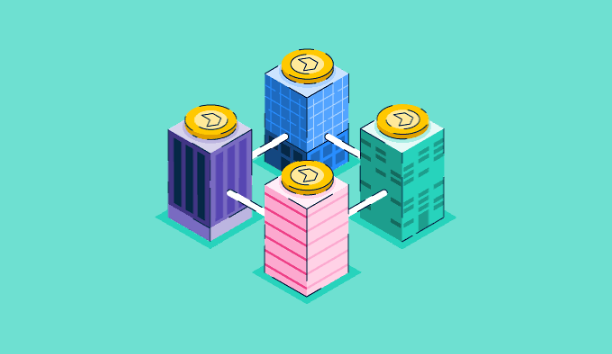

Tokenized assets promise to convert real-world and financial holdings into blockchain-native instruments. They enable fractional ownership, programmable rights, and near-instant settlement, potentially expanding access and liquidity while reducing costs. Standardized data, interoperable protocols, and robust custody frameworks are essential to scalable adoption. The approach introduces new governance and risk considerations that require careful oversight. A practical path forward hinges on phased pilots and clear regulatory clarity, leaving stakeholders with a compelling—but unresolved—agenda for transformation.
What Tokenization Is: Core Mechanisms and Actors
Tokenization refers to the process of converting tangible or financial assets into digital tokens on a blockchain or distributed ledger, enabling fractional ownership, programmable rights, and streamlined settlement. This overview outlines tokenization basics: how assets are represented, transfer mechanics, and governance structures. It identifies asset classes, stakeholders, and compliance requirements, emphasizing scope, interoperability, and risk management within a transparent, scalable framework for informed market participation.
See also: How AI Technology Is Improving Search Engines
How Tokenization Expands Access, Boosts Liquidity, and Enables Instant Settlement
The shift from asset representation to market participation unlocked by tokenization hinges on broader access, enhanced liquidity, and near-instant settlement.
Tokenization expands access by democratizing ownership, while liquidity dynamics improve via fractionalized, tradable interests and 24/7 market participation.
This tokenization overview highlights efficiency gains, revealing faster settlement, reduced costs, and greater portfolio diversification for freedom-seeking investors.
Risks, Regulation, and Custody: A Practical Risk Framework
Risks, regulation, and custody present a practical risk framework for tokenized assets, demanding a disciplined assessment of operational, legal, and governance challenges.
The analysis emphasizes risk governance structures, clear accountability, and robust controls, while mapping custody challenges to custody model design, asset provenance, and attestation.
Regulator alignment and incident response capacities are essential for resilient, compliant market participation.
A Practical Roadmap for Adopting Tokenized Assets
Asset tokenization frameworks must be operationalized through a concrete, phased plan that translates risk governance insights into actionable implementation steps.
A practical roadmap emphasizes structured governance, stakeholder alignment, and milestone-based deployments.
Tokenization challenges are addressed through standardized data, interoperable protocols, and clear custody considerations.
Compliance, auditing, and risk metrics underpin progress, while scalable pilot programs demonstrate feasibility and guide iterative enhancements for broader adoption.
Conclusion
Tokenized assets have the potential to reframe investment by converting ownership into programmable, fractional units with near-instant settlement. An extra dimension emerges when data standardization and interoperable protocols enable scalable governance and cross-border participation. A compelling statistic to hook readers: tokenized real estate could unlock up to $1.4 trillion in illiquid assets, with fractionalization potentially boosting liquidity by 20–40% in early pilots. As adoption scales, risk, custody, and regulatory clarity will determine the pace and resilience of market transformation.