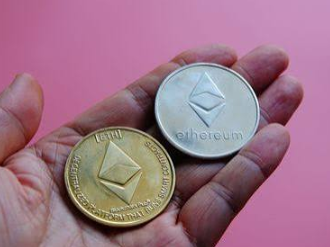


Tokenization digitizes ownership rights on a blockchain, preserving regulatory oversight while cutting intermediaries. It enables real-time updates, fractional ownership, and improved liquidity for traditional assets. By adopting governed token architectures, firms can standardize data, enhance custody, and ensure auditable controls. The result is faster settlement, broader access, and more resilient markets. Yet the practical path, risk management, and standards remain nuanced, posing a decisive question for stakeholders about how to proceed.
What Tokenization Is and Why It Matters for Traditional Assets
Tokenization converts traditional financial assets into digital representations on a blockchain, preserving ownership, transferability, and compliance without the friction of intermediaries.
This framework clarifies tokenization basics, outlining how assets become liquid units while maintaining regulatory alignment.
See also: How AI Technology Is Improving Search Engines
How Tokenization Creates Liquidity, Fractional Ownership, and Access
This approach unlocks liquidity by converting illiquid assets into tradable digital units that update in real time to reflect ownership and value.
Tokenization enables fractional ownership, broadening access while maintaining governance clarity through tokenization governance mechanisms.
Which Assets Fit Tokenization Best and How Governance Shapes Them
Which assets are most amenable to tokenization, and how does governance shape their deployment?
Asset classes vary in regulatory fit and liquidity impact; governance models determine speed, transparency, and custody.
Fractional ownership expands access channels while custodial solutions and standardization gaps influence risk and interoperability.
Strategic tokenization prioritizes scalable, compliant assets with clear data—balancing freedom, innovation, and disciplined oversight.
Risks, Standards, and a Practical Blueprint for Implementing Tokenization in Conventional Finance
The shift toward tokenization in conventional finance brings with it a suite of risks, standards considerations, and a pragmatic blueprint that balances rigor with practical implementation. This framework highlights compliance gaps and privacy concerns, while outlining interoperable governance, auditable controls, and phased piloting. A data-driven roadmap emphasizes risk-adjusted scaling, vendor due diligence, and measurable outcomes for resilient adoption.
Conclusion
Tokenization stands to redefine traditional finance by converting illiquid assets into liquid, tradable tokens with clear custody and auditable controls. A compelling stat underscores its potential: tokenized real estate can reach a $4 trillion addressable market by 2030, driven by fractional ownership and real-time settlement. Strategically, institutions should prioritize interoperable standards, robust governance, and risk-aware frameworks to scale, reduce friction, and enhance compliance. The result is a more inclusive, efficient, and resilient asset ecosystem grounded in transparent data flows.