
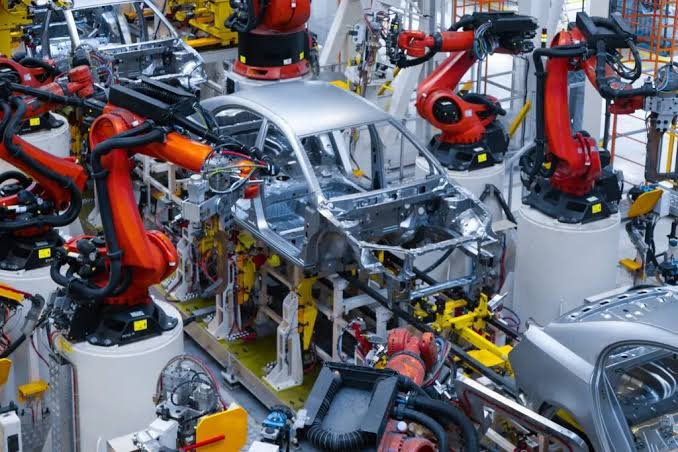

Artificial intelligence powers visual inspection systems by standardizing judgments, reducing human variability, and enabling end-to-end feature learning from data. Modern approaches emphasize structured labeling, anomaly detection, and scalable workflows that support continuous model improvement. Deep learning drives defect detection, while governance ensures reproducibility across data, models, and deployments. The collaboration between engineers and operators remains crucial, balancing oversight with automation. This framework invites careful consideration of data quality, metrics, and deployment strategies as the next steps unfold.
What AI Brings to Visual Inspection Systems
Artificial intelligence enhances visual inspection systems by enabling automatic detection, classification, and decision-making across complex imaging tasks. It supports quality control by standardizing judgments and reducing human variability.
Through dataset labeling, it creates structured training input, clarifying feature relevance and improving reproducibility.
The approach emphasizes collaboration between engineers and operators, balancing autonomy with human oversight while preserving a spirit of freedom and continual improvement.
Deep Learning Breakthroughs Powering Defect Detection
Deep learning breakthroughs have transformed defect detection by enabling end-to-end feature learning directly from imaging data, reducing reliance on manually engineered descriptors. This approach supports data labeling workflows, strengthened by transfer learning and selective power sampling to optimize training efficiency.
Anomaly detection remains central, guiding validation and fault isolation while maintaining a collaborative, disciplined framework for continual model improvement.
Practical Workflows: From Data, to Model, to Deployment
Practical workflows in visual inspection start with disciplined data curation, proceed through model selection and training, and culminate in deployment and monitoring.
Teams emphasize data labeling as a foundational activity, ensuring representative samples and traceability.
Ongoing model maintenance follows deployment, requiring periodic revalidation, drift checks, and version control.
Collaboration across data science, operations, and quality assurance sustains reliable, adaptable systems.
Choosing the Right AI Strategy and Measuring Success
Choosing the right AI strategy for visual inspection requires a structured evaluation of objectives, data readiness, and deployment constraints, with a clear plan for measuring success across accuracy, speed, and maintainability.
The process emphasizes dataset labeling quality, scalable labeling workflows, and continuous model calibration.
Collaboration across teams ensures objective criteria, transparent milestones, and disciplined monitoring of performance, drift, and operational stressors.
Frequently Asked Questions
How Secure Are AI Inspection Systems Against Adversarial Tampering?
Adversarial robustness varies by model and dataset; no system is perfectly secure. Collaborative teams implement tampering detection, regular audits, and input validation, enhancing resilience while acknowledging residual risk and the need for continuous updates and shared best practices.
Can AI Reduce False Positives Without Missing Defects?
AI can reduce false positives without missing defects by balancing precision-recall, leveraging adaptive thresholds, and continuous monitoring for data drift; results emphasize collaborative validation and transparent metrics in defect detection and false positives management.
What Are Cost Considerations for Small Manufacturers?
A cautious buyer compares costs like a compass; initial setup, training, and maintenance shape total spend. For small manufacturers, cost considerations include software licenses, hardware, integration, and uptime expectations, guiding collaborative decisions toward scalable, freedom-friendly AI adoption.
How Do AI Models Stay Updated With New Defects?
AI models stay updated through scheduled update cycles, incorporating new defect samples and re-evaluated labels; data labeling is integral, ensuring accurate ground truth while human-in-the-loop reviews validate performance, enabling adaptive vision systems that preserve shared, open-ended manufacturing freedom.
What Is the Typical Deployment Timeline for AI Inspections?
Deployment timelines typically span weeks to months, with phased validation and pilot runs. Data labeling challenges surface early, shaping iteration. The team works collaboratively, precisely, and autonomously, honoring freedom while coordinating stakeholders to align risk, quality, and deployment readiness.
See also: How AI Technology Is Improving Search Engines
Conclusion
In a precise, collaborative cadence, AI augments visual inspection with consistent criteria and clear governance. Data-driven decisions dull doubts, delivering dependable defect detection and repeatable results. Models mature through methodical labeling, structured labeling clarity, and ongoing oversight, ensuring scalable, shared stewardship. Engineers and operators engage in transparent workflows, verify variation diligently, and validate deployments diligently. Through disciplined iteration and cross-functional cooperation, systems evolve—augmenting accuracy, accelerating insights, and upholding trust across every image, inspection, and decision.